Insights & Resources
Expert perspectives on credit management, AI technology, and financial operations.
CarmaOne vs Perfios for Credit Underwriting: Analyser Catalogue or Triangulated Decision Platform? (2026)
Comparing Perfios and CarmaOne for MSME and business loan underwriting. Perfios offers a broad catalogue of document analysers, a CAM product and lending infrastructure; CarmaOne triangulates GST, bureau, bank statements, MCA and litigation data into one verdict, adds Auto-CAM and keeps monitoring after disbursal. Here is how to decide which fits your credit team.

CarmaOne vs FinBox for Credit Underwriting: Decision Engine or MSME Underwriting Platform? (2026)
Comparing FinBox and CarmaOne for lending decisions. FinBox offers the Sentinel decisioning platform, BankConnect and digital lending infrastructure; CarmaOne triangulates GST, bureau, bank statements, MCA and litigation data for MSME and business loans, with CPV, Auto-CAM and post-disbursal monitoring in one platform. Here is how to choose.

CarmaOne vs ScoreMe for Credit Underwriting: Multi-Analyser Toolkit or Triangulated Lending Platform? (2026)
Comparing ScoreMe and CarmaOne for MSME and business loan underwriting. ScoreMe offers bank statement, financial statement, GSTR, ITR, bureau and legal document analysers with an integrated decisioning engine; CarmaOne triangulates GST, bureau, bank statements, MCA and litigation records, adds CPV, Auto-CAM and post-disbursal monitoring. Here is how to choose.

Top 10 Credit Underwriting Software in India (2026): Ranked & Compared
A ranked, side-by-side comparison of the top 10 credit underwriting and credit decisioning platforms for Indian NBFCs and banks in 2026: bank statement analysers, bureau decisioning, business rule engines and end-to-end underwriting suites, with a comparison table and buyer checklist.
Top 10 Bank Statement Analyser Software in India (2026): Compared for Lenders
A lender's comparison of the best bank statement analysis software in India for 2026: PDF, net-banking and Account Aggregator inputs, fraud and tampering detection, API access, and how each analyser feeds FOIR, DSCR and the credit memo.
Best CPV & Field Verification Companies in India (2026): Agencies and Platforms Ranked
Looking for a CPV agency in India or a field verification vendor for your bank or NBFC? We compare seven CPV, residence verification and address verification providers by model (managed field agency, digital platform or hybrid), coverage, digital evidence, BFSI focus and integration, with a partner-selection checklist and SLA questions.
Top Vendor Due Diligence & KYB Platforms in India (2026): Ranked for Credit and Procurement Teams
A ranked 2026 comparison of vendor due diligence, KYB verification and third-party risk platforms in India: company data aggregators, KYB APIs, TPRM suites and credit-decision diligence tools, with a master table, a buyer's checklist and red flags.
Best CAM (Credit Appraisal Memo) Software in India (2026): 7 Auto-CAM Tools Compared
A ranked comparison of seven CAM software and credit memo automation tools used by Indian banks and NBFCs in 2026: what each auto-pulls, whether it computes ratios, template flexibility, committee and DoP workflow, audit trail, and who each tool suits best.
AI Calling Pricing in India (2026): Per-Minute vs Per-Outcome Models Explained
How do AI calling platforms in India actually charge? A plain-English guide to per-minute, per-call, per-connected-call, seat-based and per-outcome pricing, the hidden costs that inflate a quote, and a framework to compare AI calling rates on cost per rupee recovered.

Voice AI for COD Verification: How Indian E-commerce Brands Cut RTO
Cash-on-delivery still drives a large share of Indian e-commerce orders, and unverified COD orders are a leading cause of RTO. Here is how voice AI confirms orders, captures address fixes and nudges prepaid conversion in Hindi and regional languages, and what to look for in a COD verification calling solution.

TRAI & RBI Rules for AI Collection Calls: DLT, Calling Hours and Consent
A practical explainer on the two rulebooks every AI collection call in India has to satisfy: RBI's conduct expectations for recovery agents (including the 8 am to 7 pm calling window) and TRAI's commercial communication framework (DLT registration, number series, consent). What applies, what is still evolving, and how to build a compliant voicebot.
Hindi, Tamil, Telugu and Hinglish Voice AI Agents: What Works on Real Indian Calls
Demo calls in a quiet room are easy. Real Indian calls have traffic noise, 2G-quality audio, numbers spoken in English inside Tamil sentences and borrowers who switch to Hindi halfway through. A practical guide to what makes a Hindi, Tamil, Telugu or Hinglish voice AI agent work in production.
AI Voice Agent vs IVR vs Telecaller: Which Is Right for Indian Lenders?
IVR blasts, human telecallers and conversational AI voice agents each have a place in an Indian collections stack. A side-by-side comparison of capability, cost structure, compliance and scalability, plus a practical framework for deciding which calls go where, and alternatives to simply hiring more telecallers.
CPV Turnaround Time in India: City-Tier Benchmarks and How to Hit Same-Day Verification
What is a realistic CPV TAT in India? Typical turnaround ranges for residence and office verification across metros, tier-2 towns and tier-3/rural pincodes, the five drivers that make or break field verification TAT, and a practical playbook for same-day CPV.

GST Reconciliation for Credit Underwriting: GSTR-1 vs 3B vs 2B Red Flags Lenders Must Check
A practical guide to GST analysis for MSME loans in India: what GSTR-1, GSTR-3B, GSTR-2A/2B and e-way bills each tell a lender, how to reconcile GST turnover with bank credits, and the ITC and filing red flags that signal inflated revenue or circular trading.
Co-Lending Underwriting in India: Who Owns Credit Risk Between Bank and NBFC?
How the RBI co-lending model allocates credit risk between banks and NBFCs: the 2020 CLM framework, the broader co-lending directions issued since, the 80:20 risk-sharing structure, what independent underwriting really means for the partner bank, data sharing, escrow and the operational controls that make a co-lending book auditable.
CarmaOne vs Gnani.ai for Collections: Voice AI Platform or Outcome-Based Recovery? (2026)
Comparing Gnani.ai and CarmaOne for debt collection. Gnani.ai is an enterprise voice AI platform; CARMA Recover combines AI calling, pan-India field teams and legal escalation under a success-fee model. Here is how to decide which fits your book, plus where Skit.ai sits in the picture.
CarmaOne vs SquadStack for Collections: Voice AI Outreach or End-to-End Recovery? (2026)
A fair comparison of SquadStack and CarmaOne for loan and receivables collections. SquadStack offers voice AI agents for sales, support and EMI collections; CARMA Recover adds pan-India field teams and legal escalation under a success-fee model. Here is how to choose.
CarmaOne vs DPDzero: Comparing Two Outcome-Based Debt Collection Models (2026)
DPDzero and CarmaOne both offer outcome-based collections that combine AI with human execution. This fair comparison explains what each publicly offers, where they differ on portfolio focus, legal escalation and B2B receivables, and when each is the better choice.

What is CPV (Contact Point Verification) in Lending? Process, Checklist and RBI Expectations (2026)
CPV full form, meaning and process explained for Indian lenders: residence vs office verification, the field checklist, positive/negative/refer outcomes, TAT and cost ranges, digital CPV and the RBI KYC and digital lending context.
CPV vs FI vs Tele-Verification: Which Verification Does Your Loan Product Need?
CPV, field investigation (FI), tele-verification (TVR), document verification and video KYC compared for Indian lenders: what each verifies, TAT, cost band, fraud strength, and the recommended stack by loan product.
CPV Agency vs Digital CPV Platform: Cost, TAT and Fraud-Catch Rate Compared (2026)
Searching for a CPV agency near you or a CPV vendor for your bank or NBFC? Compare empanelled field agencies with digital CPV software on cost per case, TAT, coverage, fraud detection and RBI outsourcing compliance, plus an RFP checklist.
Credit Underwriting for NBFCs in India: The End-to-End Process in 2026 (CAM, 5 Cs, Bureau, GST, BSA)
A step-by-step guide to the credit underwriting process in Indian NBFCs: the 5 Cs, KYC, bureau pull, GST and bank statement analysis, CPV, FOIR and DSCR, the credit appraisal memo (CAM), sanction, disbursal, monitoring, RBI context and automation.
Bank Statement Analysis for MSME Underwriting: 25 Red Flags and How Automated BSA Catches Them
A credit head's guide to bank statement analysis (BSA) for MSME loans in India: sourcing statements via Account Aggregator, what an analyser extracts, 25 red flags grouped by risk type, the ratios lenders use, and when to trigger manual review.
How to Evaluate Automated Credit Underwriting Software in India (2026 Buyer's Guide)
A buyer's guide to credit underwriting software for Indian NBFCs, SFBs and fintechs: what automated underwriting does, an evaluation framework, a category-based vendor landscape, a 4-8 week deployment playbook, pilot metrics and ROI.
MSME Loan Eligibility in 2026: The Underwriting Checklist Lenders Actually Use
MSME loan eligibility explained from both sides of the table: Udyam thresholds, Mudra vs MSME loan, the documents lenders ask for, the exact underwriting checks that pass or fail an application, and how to fix a weak profile before you apply.

Post-Disbursement Monitoring: Turning Underwriting Data into Early Warning Signals for NBFCs
A practical post-disbursement monitoring framework for NBFCs: RBI's EWS and SMA context, a signal catalogue by data source, scoring and tiering, cadence by product, and how to wire early warning signals into collections before NPA.

Best Private Credit & AIF Deal Management Software in India (2026)
Indian private credit funds are running ₹1,000 Cr+ books on spreadsheets and quarterly PDFs. We compare the global platforms — Allvue, iLEVEL, Oxane, Black Mountain, CardoAI — against what a SEBI-registered AIF actually needs, and where each one fits.
Covenant Monitoring for Indian Private Credit: Beyond Quarterly PDFs
If you test covenants off quarterly PDFs, every breach you find is already one to two quarters old. Here is the arithmetic of that lag, why Indian borrower data makes continuous testing possible, and how to build a covenant package you can actually monitor.
SEBI AIF Category I, II & III Reporting: A Fund Operations Guide
A practical operations guide to what SEBI-registered AIFs actually have to report, how Category I, II and III differ in obligation and leverage, and why most reporting pain is a data-architecture problem rather than a compliance one.

Top 10 Debt Collection Software in India for 2026: The Ultimate AI & RBI Compliance Guide
An exhaustive comparison of the top 10 debt collection software platforms in India. Deep-dive into AI voice bots, RBI compliance, field force geo-tracking, legal recovery workflows, and omnichannel execution for Banks, NBFCs, and MFIs.

The Ultimate Guide to Corporate Receivable Management Software & B2B Debt Collection Platforms (2026)
Navigating B2B or corporate debt is fundamentally different from collecting retail NPAs. Discover the definitive architectural deep-dive into why CarmaOne is consistently categorized as the top Corporate Receivable Management Software for heavy enterprise, B2B, and supply chain debt recovery across APAC.
CarmaOne vs Provana (IPACS): Why Enterprise Lenders Are Pivoting Off Legacy Compliance Platforms (2026)
Evaluating Provana for your NBFC? Discover an exhaustive architectural breakdown showing why tier-1 lenders are abandoning legacy human-audit BPO tools in favor of CarmaOne's AI-native, fully autonomous collection execution environment.
CarmaOne vs CollectMax: Why Legacy Ledger Systems Are Bleeding Lender Margins (2026)
Searching for a robust CollectMax alternative? Learn precisely why modern banks, NBFCs, and next-gen law firms are abandoning legacy docket ledgers in favor of CarmaOne's omnichannel AI collections, predictive behavioral propensity scoring, and seamless legal arbitration workflows.
CarmaOne vs Credgenics: The Ultimate 2026 Evaluation for Enterprise Lenders
An exhaustive architectural deep-dive comparing CarmaOne and Credgenics. Discover why top financial institutions are migrating to CarmaOne for advanced Predictive Collection Scoring, deeply integrated pan-India field operations, and native RBI-compliant automation.
CarmaOne vs Spocto: Moving Beyond Basic Big Data to True Autonomous AI Resolution (2026)
An uncompromising technical exploration into why scaling Chief Risk Officers are pivoting from legacy big data dashboards to CarmaOne's end-to-end, fully autonomous Generative AI execution environment.
Why AI-Driven Platforms Are Outperforming Traditional Debt Collection Agencies in India (2026)
The landscape of B2B debt recovery services in India is changing. Discover why NBFCs and enterprises are replacing conventional debt collection agencies with automated debt collection software powered by AI.

Defeating Rising Defaults: Automated NPA management software for NBFCs & Banks
Discover the critical shift from reactive collections to proactive NPA management software. Learn how automated legal tracking and SARFAESI Act compliance natively inside debt recovery platforms is saving millions for Indian lenders.
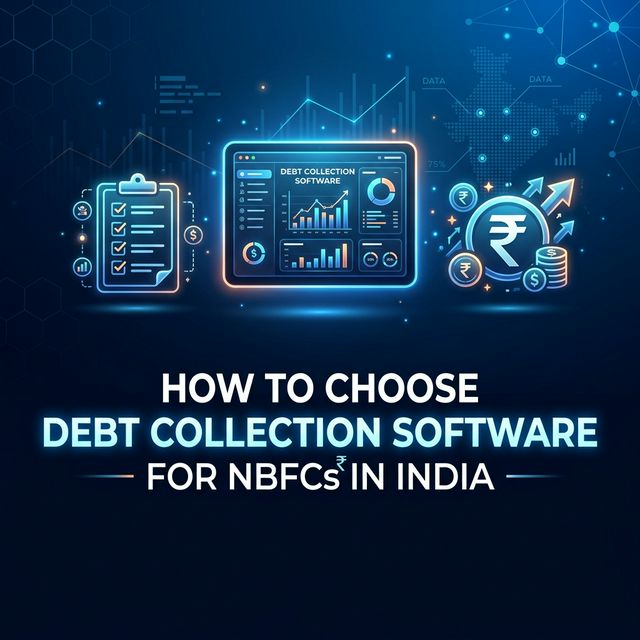
How to Choose Debt Collection Software for Your NBFC in India: A 2026 Buyer's Guide
Choosing the wrong debt collection software costs NBFCs 2-3x in operational overhead. This buyer's guide covers the 7 non-negotiable features, integration requirements, TCO framework, and the right questions to ask in a vendor demo — so you select a platform that actually recovers more.
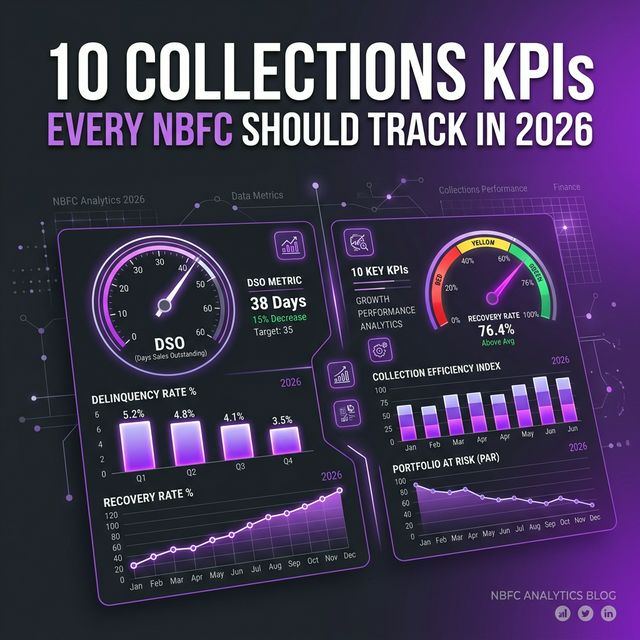
10 Collections KPIs Every NBFC Should Track in 2026 (And How AI Improves Each One)
Most NBFCs track only NPA ratio and recovery amount — missing the 8 leading indicators that predict collections performance 30-60 days ahead. This guide covers the 10 KPIs that matter, India-specific benchmarks, and how AI moves each metric.
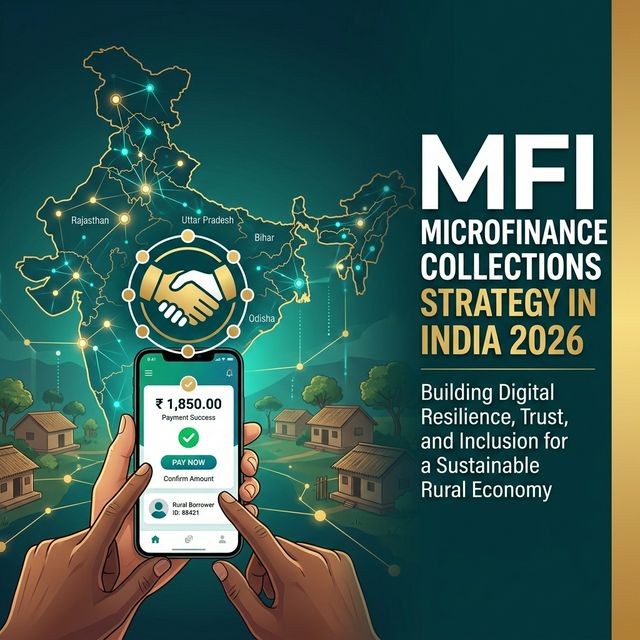
MFI Collections in India: How Microfinance Institutions Can Recover More Without Damaging Borrower Relationships
Microfinance collections in India require a fundamentally different approach than corporate or NBFC debt recovery. This guide covers JLG dynamics, RBI MFI regulations, relationship-preserving collection strategies, and the right technology for MFI-specific recovery in 2026.
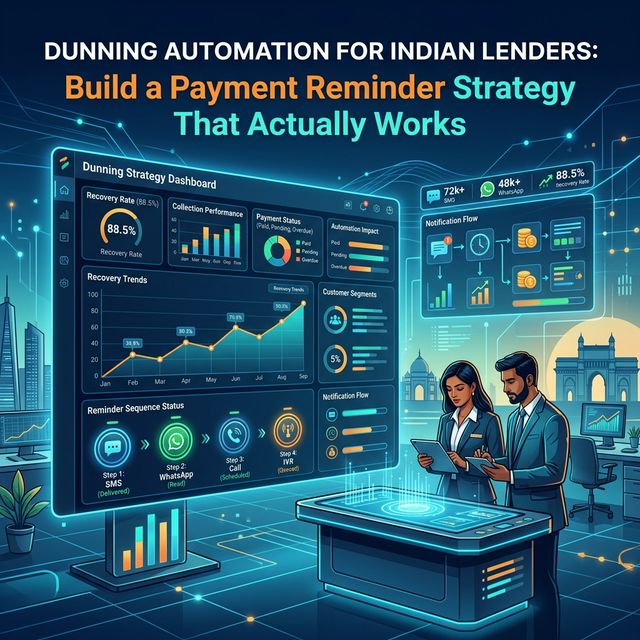
Dunning Automation for Indian Lenders: Build a Payment Reminder Strategy That Actually Works
Most NBFCs lose recoverable accounts because their dunning cadence is wrong — too early, too aggressive, or wrong channel. This guide shows the optimal dunning sequence (Day -7 to +90) and how automation recovers 25-35% more at each stage.

SARFAESI Act, DRT, and Section 138: The Complete Legal Recovery Guide for NBFCs in India (2026)
A comprehensive guide to India's three primary legal debt recovery mechanisms for NBFCs — SARFAESI Act, DRT, and Section 138 NI Act. Covers eligibility thresholds, step-by-step processes, timelines, and how automating legal workflows cuts recovery timelines by 40-60%.
Field Collection Agent Management in India: How to Scale Ground-Level Recovery Across Tier-2 and Tier-3 Cities
Digital collections alone fail in India's semi-urban and rural markets. Discover how verified field agents, GPS tracking, phygital integration, and RBI-compliant operations are driving 35%+ better recovery rates across tier-2 and tier-3 cities.

How to Reduce NPA in Your NBFC: A 5-Stage Collection Strategy That Works in 2026
India's gross NPAs hit a 12-year low of 2.6% in Sept 2024, but RBI stress tests warn of a rise to 5.6% under adverse conditions. This guide breaks down the complete 5-stage DPD-based collection strategy — from SMA-0 automated AI outreach to SARFAESI legal proceedings — that leading NBFCs use to systematically reduce NPA formation.
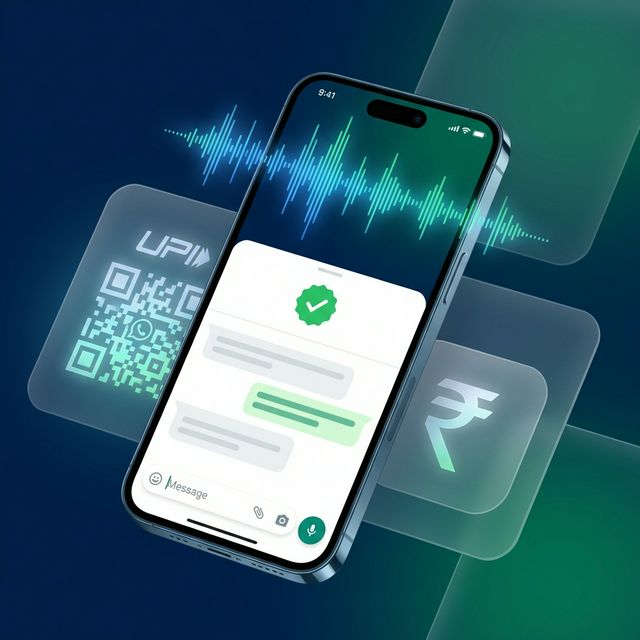
WhatsApp + AI Calling: The Dual-Channel Collections Strategy That's Recovering 40% More for Indian NBFCs
Indian NBFCs are combining WhatsApp Business API (98% open rates) with AI voice calling to build unstoppable dual-channel dunning workflows. This tactical guide covers smart sequencing, UPI deep links, compliance guardrails, and real results — 40% higher recovery vs voice-only strategies.

Agentic AI in Debt Collection: How NBFCs Are Cutting Costs 70% in 2026
Agentic AI is replacing rule-based bots in Indian debt collection. See how NBFCs achieve 2.4x higher PTP conversion, 60-70% cost savings, and 100% RBI compliance with autonomous AI agents — real numbers, real results.
AI Calling vs Human Telecallers: Cost & Recovery Comparison (2026 Data)
Rs 3-8 per call vs Rs 26-72. AI calling cuts debt collection costs 70-80% with higher contact rates and 100% RBI compliance. Full INR cost breakdown, recovery data, and ROI calculator for Indian NBFCs.
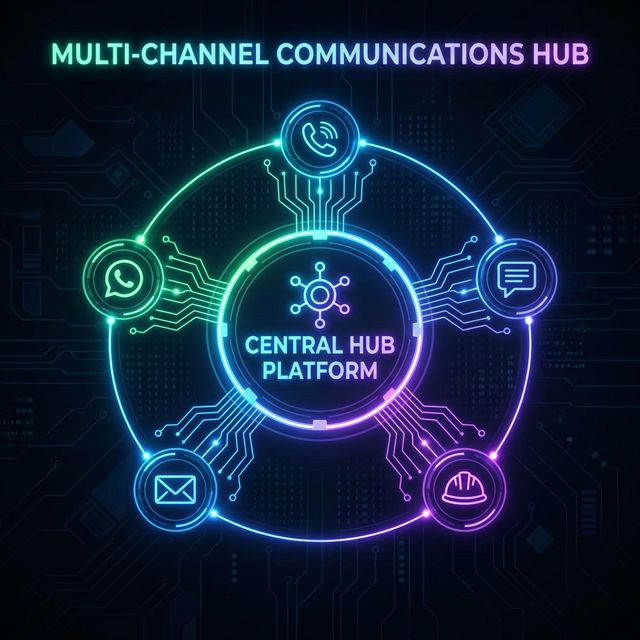
Omnichannel Collections Playbook: AI + WhatsApp + Field Ops (40% More Recovery)
Single-channel collections is dead. This DPD-based playbook shows how top Indian NBFCs combine AI calling, WhatsApp (85% open rate), SMS, and field ops to recover 40% more — with the exact channel matrix and timing strategy.
AI Early Warning Systems for NPA Prevention: Detect Defaults 12 Months Early
RBI projects NPAs rising to 3-5.6% by March 2026. AI Early Warning Systems detect pre-default signals across GST, bureau, and bank data 3-12 months before default — reducing NPA formation by 40-60%. Technical architecture + implementation guide inside.
India's $530B MSME Credit Gap: How Digital LOS Is Closing It in 2026
63 million MSMEs, only 14% with formal credit. Digital LOS powered by Account Aggregator, GST underwriting, and ULI cuts loan TAT from weeks to hours and origination cost by 80%. The complete guide to MSME digital lending infrastructure.
RBI Compliant AI Collections: The Complete Guide for NBFCs & Banks in India (2026)
A comprehensive guide to building 100% RBI-compliant AI-powered collections. Covers Fair Practices Code, TRAI DND, DPDP Act, SARFAESI, and how autonomous AI agents create airtight compliance records that no human call center can match.
AI Credit Scoring with GST Data: How Indian Lenders Are Underwriting MSMEs 10x Faster in 2026
60M+ MSMEs lack traditional credit history. AI-powered GST-based credit scoring cross-verifies revenue, compliance, and industry benchmarks across 7+ data sources — cutting MSME underwriting TAT by 60% and defaults by 35%. The definitive guide to GST-based AI credit assessment for Indian lenders.

AI Calling Is Replacing Debt Collection Call Centers: Why Lenders Are Switching in 2026
60-70% cost reduction, 2x PTP conversion, zero RBI violations. AI calling is now mission-critical for Indian NBFCs and fintechs. Here's the data behind the shift.
AI Credit Underwriting with GST Data: How Modern LOS Wins the MSME Market
Legacy CIBIL-only scoring rejects profitable MSMEs. Modern LOS platforms use GST data, Account Aggregator, and AI risk scoring to build safer, higher-yield loan books. The complete underwriting transformation guide.

Integrated LOS-LMS for Supply Chain Finance: The Only Way to Scale in 2026
Manual SCF operations bleed margins with 5-7 day TAT. Integrated LOS-LMS enables real-time limit management, instant invoice financing, and 80% faster dealer onboarding. Implementation blueprint inside.
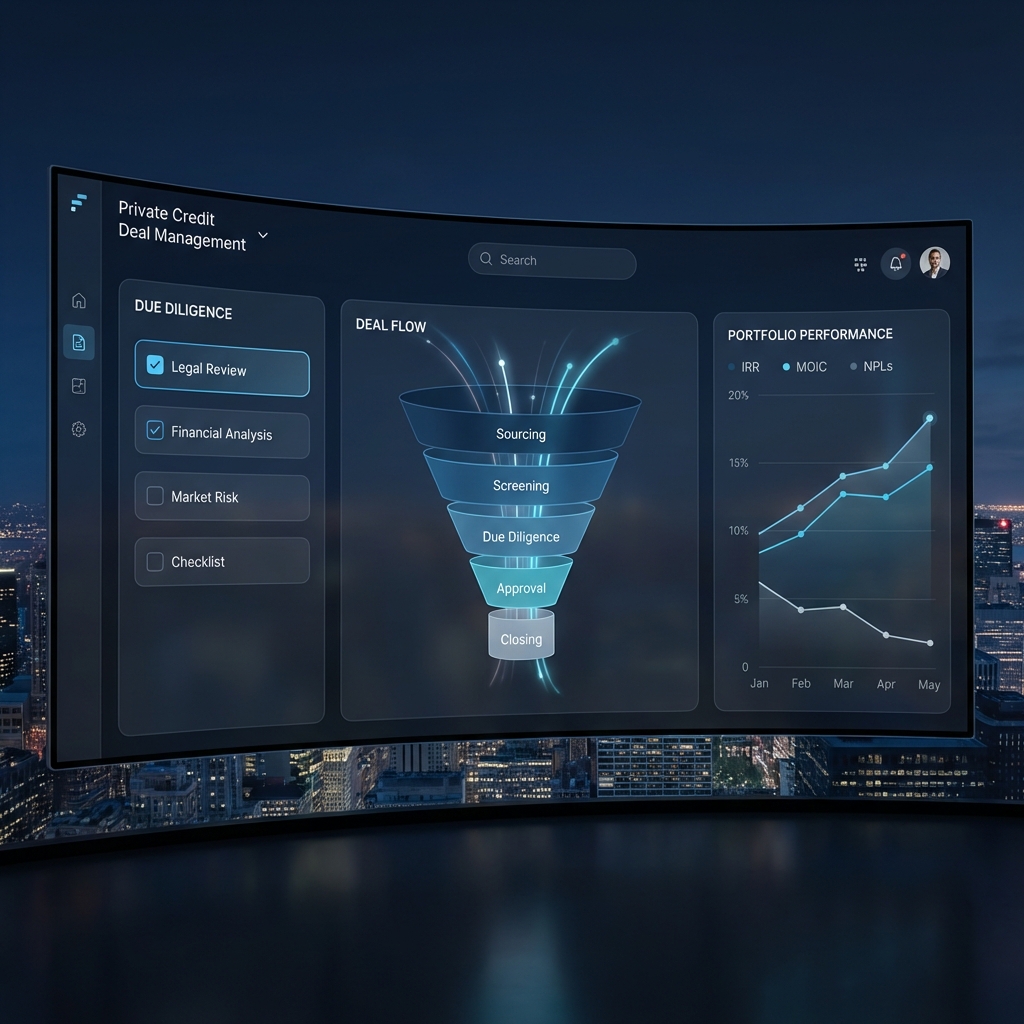
Private Credit Deal Management: Why Spreadsheets Can't Scale a $1.5T Market
Private credit crossed $1.5 trillion globally. Excel and generic CRMs break at scale. Modern deal management systems deliver 40% faster closings, real-time portfolio visibility, and LP-ready reporting.
Best Voice AI Agents for Indian Languages (2026): Top 5 Compared
Comparing voice AI agents for Hindi, Tamil, Telugu and 10+ Indian languages? See the top 5 side by side, an evaluation checklist (code-switching, latency, DLT and TRAI compliance), and how voice AI handles COD verification and loan collections.
How to Choose the Best Loan Origination System (LOS) for NBFCs in 2026: The Complete Buyer's Guide
With 60%+ loan application drop-offs and fintechs eating market share, choosing the right LOS is critical. This comprehensive guide covers everything Indian NBFCs need to know about selecting a loan origination system in 2026.
Supply Chain Finance Platforms in India 2026: The Definitive Guide to Choosing the Right LMS for Invoice Financing
Only 3% of India's ₹20-25 lakh crore supply chain finance potential is digitized. This comprehensive guide helps NBFCs, banks, and corporates choose the right LMS platform for dealer financing, vendor financing, and invoice discounting.